
Author
Deidre Diamond
Founder & CEO, CyberSN
Founder, Secure Diversity
Deidre Diamond is a cybersecurity and IT workforce strategist and entrepreneur focused on helping organizations reduce risk by gaining clear, actionable visibility into how work gets done across their workforce ecosystems.
About Deidre
She is the Founder and CEO of CyberSN, a workforce intelligence company purpose-built for cybersecurity and IT. Under Deidre's leadership, CyberSN built the industry's first task-based cybersecurity taxonomy, changing how organizations define roles, assess capabilities, and align their workforce to business outcomes.
In 2025, CyberSN extended that work with an IT taxonomy, so enterprises can apply the same clarity and structure across their broader IT organizations and manage cybersecurity and IT workforce intelligence in a single shared language.
Deidre brings more than two decades of experience building and leading high-growth teams across technology, sales, and workforce organizations. Before founding CyberSN she held leadership roles at companies including Rapid7 and Motion Recruitment, where she saw firsthand the systemic challenges organizations face when they try to understand, retain, and manage technical talent at scale. She builds cultures grounded in emotional intelligence skills: self-awareness, self-regulation, motivation, social skills, and empathy.
She is also the Founder of Secure Diversity, a non-profit dedicated to increasing representation and opportunity for women and historically underrepresented genders in cybersecurity. Through Secure Diversity, Deidre created the Day of Shecurity Conference, a free cybersecurity conference for professionals entering and advancing in the field.
A frequent keynote speaker and advisor, Deidre speaks on workforce risk management, leadership effectiveness, burnout and retention, workforce ecosystems (full-time employees, contractors, consultants, and MSPs), and the human factors shaping cybersecurity and IT performance. She has been recognized as a Top 25 Woman in Cybersecurity and has contributed to national conversations on workforce resilience, including engagements with government and industry leaders.
You cannot manage risk, performance, or people without clear and ongoing visibility into how work is actually being done.
Articles by Deidre Diamond

Your Software Has a Bill of Materials. Your Workforce Needs One Too.
When Log4Shell hit, the organizations that answered the board in hours had one thing the others did not: a list of parts. A Software Bill of Materials names every component and who supplied it. A Workforce Bill of Materials does the same for work: every task a capability depends on, who or what performs it, and what AI does to it. Deidre Diamond on why naming the tasks is the first step of any AI strategy.
Deidre Diamond · · 9 min read

Our Beloved Cybersecurity Career Center Just Got Even Better
The CyberSN Cybersecurity Career Center has new features. Cybersecurity functional roles across 10 capability categories, organized around the work itself rather than job titles, searchable by career stage and capability area, and free and public for the cybersecurity community. Here is what changed and why the work, not the title, is the right place to start.
Deidre Diamond · · 4 min read

What Are We Training AI to Believe About Women?
At Day of Security's 10-year anniversary, one old image raises a very current question about data, bias, security, and the future we are building. When historical assumptions become training data, who is asking what AI learned from us?
Deidre Diamond · · 7 min read

My Teammate Told Me He Was Becoming a Vampire
One of my most senior teammates got on a video call, looked dead serious, and told me he was becoming a vampire. He was talking about AI. He was creating with it, directing it, and checking its output late into the night, and he was loving every minute of it. He was also burning out. Here is why excitement does not protect people from burnout, and why a leader who measures only output will see a top performer instead of an exhausted one.
Deidre Diamond · · 6 min read

AI Is Rewriting Work at the Task Level. We've Been Defining Work That Way for Nearly a Decade.
Anthropic's Scenarios for Our Economic Future starts from an idea CyberSN has been built on for nearly a decade: the economy is made up of tasks. AI is not simply removing jobs, it is rewriting the work inside them. Here is why the right first question is what work needs to get done, not how many people AI can replace, and why understanding tasks and projects is as much a human issue as an operational one.
Deidre Diamond · · 8 min read

CyberSN at 12: The Clues Were There Long Before the Company
This month CyberSN turns 12. Going through old memorabilia with my mother, I found a newspaper article from my junior year of college, years before I knew what recruiting was, and the thread that would become CyberSN was already there. On the clues our careers leave, long before the job title arrives.
Deidre Diamond · · 4 min read

Cybersecurity Skills Assessment: Why Skills Alone Won't Tell You If Your Team Can Execute
A cybersecurity skills assessment tells you what an individual knows. It cannot tell you whether your organization can execute its strategy. Work shifts, contractors come and go, MSPs take on new responsibilities, and AI agents are beginning to perform work that used to belong to people. Here is why capability coverage, capacity, maturity, redundancy, and dependencies have to come before you assess the person.
Deidre Diamond · · 8 min read

How a Retention Problem Became Workforce Intelligence
A client once told me, “Deidre, who the hell has time for that? You do it.” That sentence is how Workforce Intelligence started. Here is the whole journey: a retention problem, an internal service we called RaaS, the Happiness Survey, the visualization that changed budget conversations, a definition of workforce that kept expanding, and the workforce risk profiles leaders now take straight to the business.
Deidre Diamond · · 11 min read

Obviously: The Filler Word That Turns People Off
Twenty-five years ago I was taught to remove five words from my vocabulary. The last one, obviously, may be the easiest to give up, because removing it costs nothing. Here is what my first manager meant when she asked whether I was ready to turn the lights on and off, what the research says about condescending language and the curse of knowledge, and why a filler word can quietly cost a leader information.
Deidre Diamond · · 8 min read

Should: The One Word That Quietly Takes Away Choice
Twenty-five years ago I was taught to remove five words from my vocabulary. The word should was one of the hardest to give up, because of how differently it lands when it comes from someone with influence. Here is why "you should" stops sounding like a suggestion, what the research on autonomy says about it, what I say instead, and the situations where the word genuinely belongs.
Deidre Diamond · · 7 min read

When Someone Says "I'm Fine," I Pay Attention
Twenty-five years ago I was taught to remove five words from my vocabulary. The word fine taught me something different from the other four: pay attention. Here is why I do not treat that word as a diagnosis or as permission to probe, how power changes what someone feels free to say at work, and why leaders have to be careful about the stories they build from a single word.
Deidre Diamond · · 8 min read

What "Try" Taught Me About Measurable Agreements
Twenty-five years ago I was taught to remove five words from my vocabulary. The word try taught me to listen for something much bigger: do we actually have a measurable agreement? Here is why "I'll try to get it done this week" is information rather than a commitment, why creating that clarity is the leader's responsibility, and what to do when the leader does not create it.
Deidre Diamond · · 9 min read

But: The One Word That Changed How I Communicate
Twenty-five years ago I was taught to remove five words from my vocabulary: should, try, fine, obviously, and but. One of them changed me more than the rest. Here is what the word but does to a sentence, why ending the sentence is only half the practice, and what any of this has to do with what we really mean when we ask for excellent communication skills.
Deidre Diamond · · 8 min read

The Next Competitive Advantage in Private Equity Isn't AI. It's Workforce Intelligence.
Private equity firms measure almost everything that drives portfolio value: EBITDA, operating metrics, cybersecurity maturity, compliance, and increasingly AI adoption. One thing stays invisible: whether the workforce can actually execute the strategy. Not headcount. Not org charts. Capability. Here is why Workforce Intelligence is becoming as fundamental to private equity as financial reporting, and why AI makes it urgent.
Deidre Diamond · · 6 min read

Why Are So Many Cybersecurity Companies Laying People Off?
How can cybersecurity companies be laying people off when cyber risk is increasing? The answer is bigger than AI. It starts with cheap money ending, product consolidation, changing competition, and a workforce most companies still cannot clearly see. After 30 years building cybersecurity and technology workforces, here is what is really behind the layoffs, and why a cyber company cutting jobs does not mean cybersecurity work is disappearing.
Deidre Diamond · · 8 min read

Your Workforce Changed. Did Your Visibility?
Your workforce is no longer just employees. It is employees, contractors, consultants, MSPs, interns, and now AI agents. Every time work moves between them, capacity, capability, ownership, and risk change. Most organizations have no living view of any of it. Here is why headcount is not workforce intelligence, and why visibility has to be living.
Deidre Diamond · · 5 min read

Manage Up or Get Misrepresented: The Case for Living Job Descriptions
A cybersecurity professional asked for something simple but revealing: put it in my offer letter that my job description gets updated every six months. It is one of the smartest workforce moves I have seen, and it points straight at a problem every leader needs to solve.
Deidre Diamond · · 11 min read

Workforce Intelligence for the Cyber Fusion Model: Securing the People Behind a Unified Operating Model
Cyber Fusion unifies previously siloed cybersecurity disciplines into one operating model for visibility, collaboration, resilience, and risk management. Yet the model is only as strong as the workforce executing it. Here is how Workforce Intelligence gives leaders visibility into the talent ecosystem, employees, contractors, consultants, and MSPs, that a Cyber Fusion model depends on.
Deidre Diamond · · 7 min read
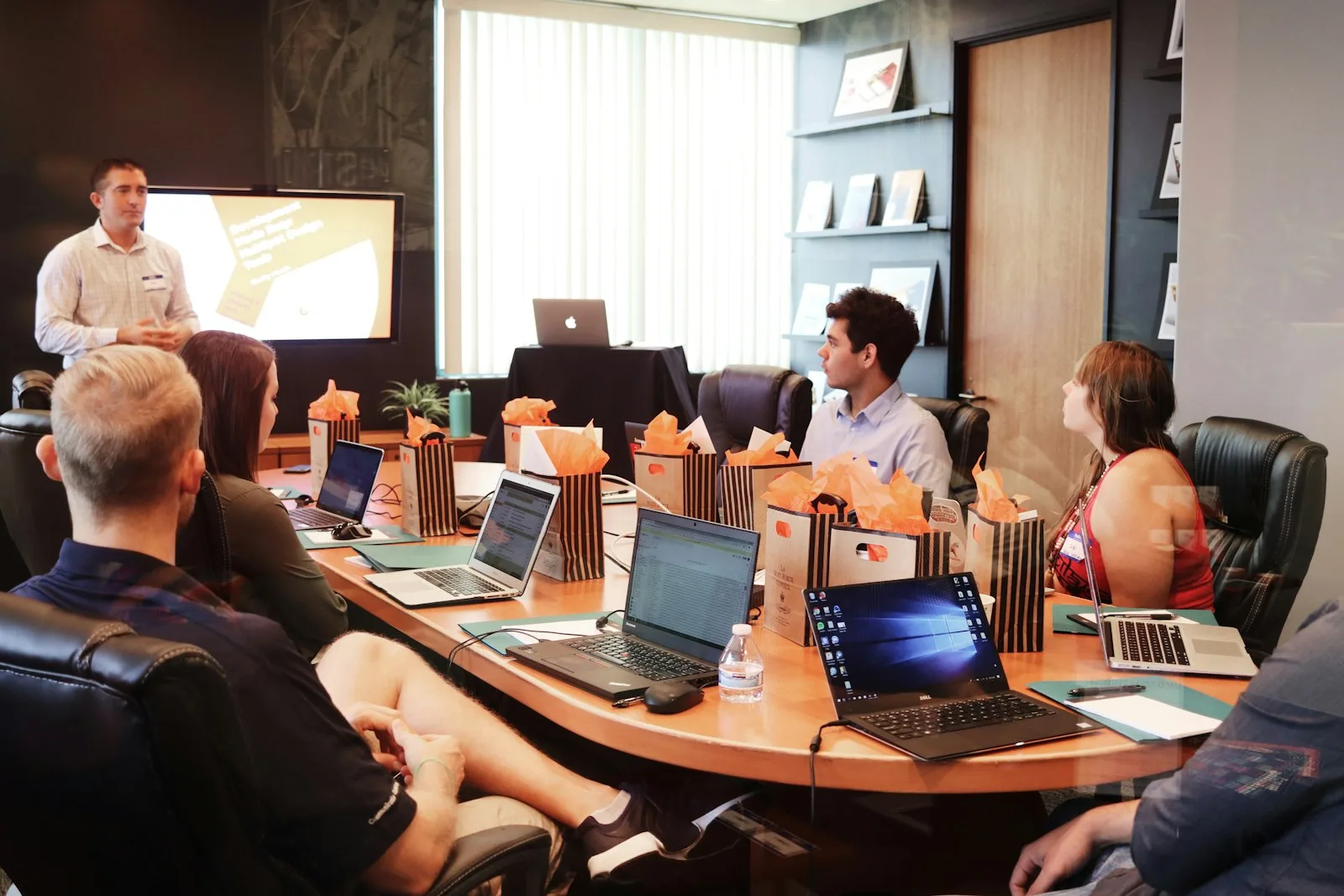
Cybersecurity Assessments Measure Controls. Leaders Need Visibility Into Capabilities.
Security assessments, technology reviews, and organizational charts tell leaders what controls they have, not what their workforce can actually do. Here is why capability coverage, organizational maturity, talent risk, and strategic readiness are the missing layer of intelligence behind every strategy and budget.
Deidre Diamond · · 6 min read

Workforce Risk in Government Cybersecurity: What Your FISMA Scorecard Doesn't Show You
FISMA compliance, zero trust mandates, nation-state threats, and a blended workforce of feds, contractors, and MSPs: the workforce risks government CISOs need Workforce Intelligence to see.
Deidre Diamond · · 9 min read

Operationalizing Workforce Intelligence for Government CISOs
Federal agencies operate blended workforces across GS employees, contractors, and MSPs, yet most government CISOs lack a unified view of who delivers what capability. Workforce Intelligence changes that.
Deidre Diamond · · 9 min read

Managing Workforce Risk in Energy Cybersecurity
OT/ICS capability concentration, NERC CIP compliance coverage gaps, and 24/7 grid operational strain, the workforce risks energy CISOs need Workforce Intelligence to see.
Deidre Diamond · · 9 min read

Why Energy CISOs Need Workforce Intelligence
Energy cybersecurity workforce ecosystems span IT and OT domains with unique complexity. Traditional approaches can’t provide the visibility leaders need. Workforce Intelligence can.
Deidre Diamond · · 8 min read

Managing Workforce Risk in Healthcare Cybersecurity
Capability concentration, compliance coverage gaps, and 24/7 operational strain, the workforce risks healthcare CISOs need Workforce Intelligence to see.
Deidre Diamond · · 9 min read
Why Healthcare CISOs Need Workforce Intelligence
Healthcare cybersecurity workforce ecosystems are uniquely complex. Traditional approaches can’t provide the visibility leaders need. Workforce Intelligence can.
Deidre Diamond · · 8 min read

Managing Workforce Risk in Financial Services Cybersecurity
Regulatory exposure, transaction security concentration, and third-party dependencies, the workforce risks financial services CISOs need Workforce Intelligence to see.
Deidre Diamond · · 9 min read
Why Financial Services CISOs Need Workforce Intelligence
Financial services cybersecurity workforce ecosystems are uniquely complex. Traditional approaches can’t provide the visibility leaders need. Workforce Intelligence can.
Deidre Diamond · · 8 min read

Job Descriptions Are Wrong, and Organizations Are Making Critical Workforce Decisions Based on Them
Every restructuring, budget cycle, and workforce realignment relies on the same flawed data source: job descriptions that no longer reflect reality. Workforce Intelligence replaces assumptions with operational truth.
Deidre Diamond · · 8 min read
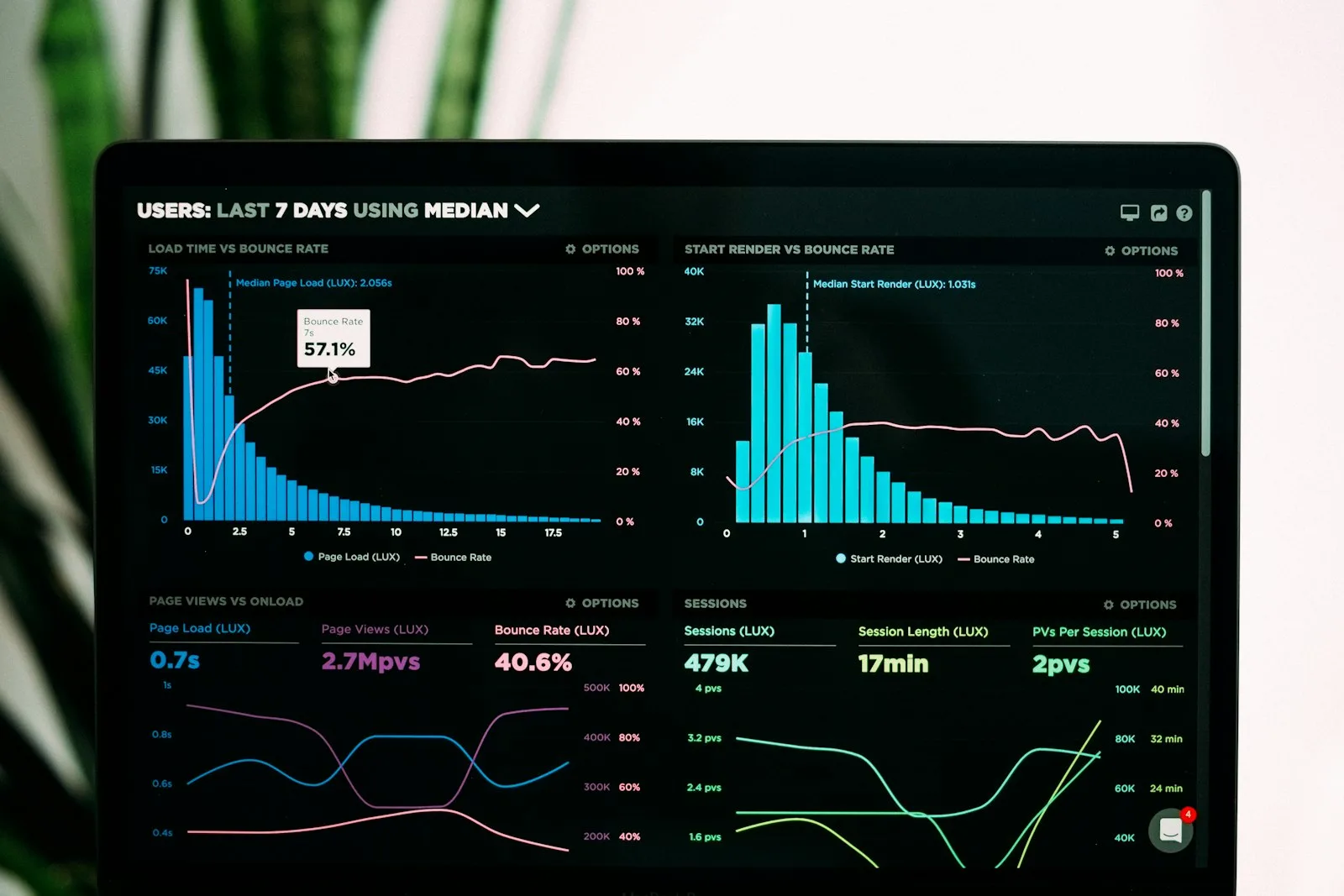
The Data Gap in the Boardroom: Why Your Workforce Decisions Are Built on Fiction
Job descriptions are living documents, yet most organizations treat them as static artifacts. When leadership teams make restructuring decisions using outdated documentation and generic titles that obscure actual work, they create invisible operational risk. The workforce is pushing back, and Workforce Intelligence closes the gap.
Deidre Diamond · · 9 min read

Managing Cyber Workforce Risk in 2025
Cyber leaders cannot manage what they cannot see. This piece reframes workforce risk as an intelligence problem, and shows how operational visibility into workload, capability coverage, and team structure helps leaders secure budget, prevent burnout, and align their workforce to strategy.
Deidre Diamond · · 6 min read

The 2025 Cybersecurity Job Market: From Reactive Hiring to Workforce Intelligence
The cybersecurity job market is no longer a question of headcount. Drawing on CyberSN's 2025 U.S. job posting data and SANS workforce research, we examine how leaders are shifting from filling seats to building verifiable capability, and why workforce planning is now a board-level conversation.
Deidre Diamond · · 8 min read

Women in Cybersecurity Discuss New and Old Obstacles for DEI
As diversity, equity, and inclusion commitments come under renewed pressure, four women leading in cybersecurity sat down to discuss what has changed, what has not, and why inclusion is inseparable from workforce resilience. Their conversation reframes DEI as an operational concern: when leaders lose visibility into how their people experience work, they lose visibility into risk.
Deidre Diamond · · 8 min read
Cyber Workforce Risk Management: Addressing Our Greatest Vulnerability in 2025
The greatest vulnerability facing cybersecurity organizations in 2025 isn't a technology gap, it's the absence of intelligence about how the workforce actually operates. Burnout, misaligned workloads, and undefensible headcount are symptoms of one root cause: leaders lack operational visibility into their workforce ecosystem.
Deidre Diamond · · 9 min read
Managing Cyber Threats, Workforce Risks, and AI Challenges
Ransomware and AI-driven threats dominate the security agenda, but the vulnerability most leaders cannot see is their own workforce. This piece reframes burnout and capability strain as a Workforce Intelligence problem, and shows how operational visibility lets leaders manage human risk alongside technical defenses.
Deidre Diamond · · 6 min read

How Cybersecurity Contractors Accelerate Projects and Reduce Workforce Risk
Security leaders are expected to do more with less, leaving teams stretched across daily operations and strategic projects at once. This piece reframes contract workforce augmentation as a workforce optimization decision, one that depends on visibility into where capability is concentrated, where coverage thins, and where workload risk is quietly building.
Deidre Diamond · · 6 min read
Cyber Workforce Risk: The Overlooked Vulnerability
Burnout, trauma, and lost confidence quietly erode security teams long before an attacker does. Treating workforce health as a Workforce Intelligence problem gives leaders the visibility to act before it becomes operational risk.
Deidre Diamond · · 6 min read
The Critical Cyber Roles That Prevent Breaches, and Why Cutting Them Is a Workforce Intelligence Failure
Product Security Engineering and DevSecOps are among the capabilities that quietly prevent breaches. Yet many organizations are reducing exactly these functions while vulnerabilities rise. The real problem isn't budget: it's a lack of visibility into where workforce decisions create operational risk.
Deidre Diamond · · 7 min read
Solutions to Combat Cybersecurity Burnout: From Reaction to Resilience
Burnout is not a wellness footnote: it is an operational workforce risk that degrades the defenses you are investing millions to strengthen. Here are the immediate and long-term solutions leaders can operationalize, and the visibility required to make them work.
Deidre Diamond · · 8 min read
Indicators of Quitting (IOQ): A Workforce Intelligence Signal for Security Leaders
Security teams have spent years operationalizing Indicators of Compromise and Indicators of Attack. The same discipline applies to the workforce. Indicators of Quitting (IOQ) are the early, observable signals that capability is about to walk out the door: disengagement, falling output, rising absence, withdrawal from the team. This piece reframes IOQ not as an HR alert but as a Workforce Intelligence signal, and shows how operational visibility into your workforce ecosystem lets leaders act on departure risk before it becomes an operational event.
Deidre Diamond · · 7 min read

The Importance of Cybersecurity Talent Retention
When experienced security professionals leave, they take capabilities with them that no job posting can replace. Retention is not an HR metric. It is a Workforce Intelligence problem. This piece reframes why people leave around culture, burnout, and career development, and shows how operational visibility into your workforce ecosystem turns retention into a risk you can manage.
Deidre Diamond · · 7 min read
Improving Female Representation in Cybersecurity
Women hold roughly 24% of cybersecurity roles, and just 1% of top executive seats. The path forward is less about a single recruiting fix and more about workforce intelligence: visibility into the capabilities, roles, and inclusive structures that let diverse talent stay and lead.
Deidre Diamond · · 7 min read
AI Secure Guidelines: A Workforce Intelligence Imperative for Security Leaders
CISA and the UK's NCSC released joint Guidelines for Secure AI System Development, endorsed by 23 cybersecurity organizations across two countries. The standards are clear, but standards only hold when the workforce has the capability coverage to apply them. This piece reframes Secure by Design as a Workforce Intelligence challenge before it is a technical one.
Deidre Diamond · · 5 min read
Strategic Cybersecurity Budgets: What CEOs, CISOs, and Boards Are Actually Funding
Most cybersecurity budgets are built as a list of costs: tools, compliance, monitoring, headcount. The leaders who get budget approved, and keep it, treat the security function as a strategic asset and back every line with workforce intelligence. When you can show how your workforce ecosystem supports the strategy, a budget stops looking like spend and starts looking like risk reduction the board can measure.
Deidre Diamond · · 8 min read
Combating the Great Resignation With Great Retention
The Great Resignation pushed cybersecurity turnover to a historical peak, but the real exposure was never a hiring problem. It was a visibility problem. When leaders cannot see how capability, workload, and roles are distributed across their workforce ecosystem, every departure becomes a surprise. This piece reframes retention as a Workforce Intelligence problem leaders can actually measure and manage.
Deidre Diamond · · 7 min read
Talent Exfiltration: An Insider's Guide to the Workforce Risk Hiding in Plain Sight
Recruiters don't pull people out of healthy teams, they extract them from organizations that can't see their own workforce risk. Talent exfiltration is the slow loss of critical capability through disengagement, stress, and structural neglect. This piece reframes it as a Workforce Intelligence problem and shows how operational visibility into your workforce ecosystem lets leaders detect and close the conditions that make their best people leavable.
Deidre Diamond · · 8 min read
Building a Business-Aligned Cybersecurity Team: A Workforce Intelligence Approach
A cybersecurity team only protects the business as well as it is aligned to it. When leadership treats security as a cost center instead of a strategic function, capabilities go undefined, workforce risk goes unseen, and even well-funded programs underperform. Alignment is not a budget line: it is a workforce intelligence problem, and it starts at the top.
Deidre Diamond · · 7 min read
Inclusion Before Diversity
Many organizations pursue diversity and wonder why it never holds. The reason is sequence. Diverse talent does not stay where it is not included, and inclusion is not a hiring outcome: it is an operational condition leaders are responsible for building. This piece reframes inclusion as a workforce intelligence imperative: when leaders cannot see how their people actually experience the work, they cannot manage the risk of losing them.
Deidre Diamond · · 7 min read
Decoding Cybersecurity Roles and Job Titles
Cybersecurity job titles vary wildly from one organization to the next, leaving leaders without a shared language to understand their own workforce. A common taxonomy turns title chaos into capability visibility.
Deidre Diamond · · 6 min read
Four Tips to Improve Your Cybersecurity Job Description
A vague cybersecurity job description is a workforce intelligence problem before it is anything else. Four ways leaders can turn an unclear role into a precise statement of the capability they actually need.
Deidre Diamond · · 6 min read
3 Red Flags in Cybersecurity Job Postings, and What They Reveal About Your Workforce
Experienced security professionals read a job posting and immediately diagnose the organization behind it. The red flags they spot aren't writing problems: they're symptoms of a workforce leadership can't clearly see.
Deidre Diamond · · 7 min read
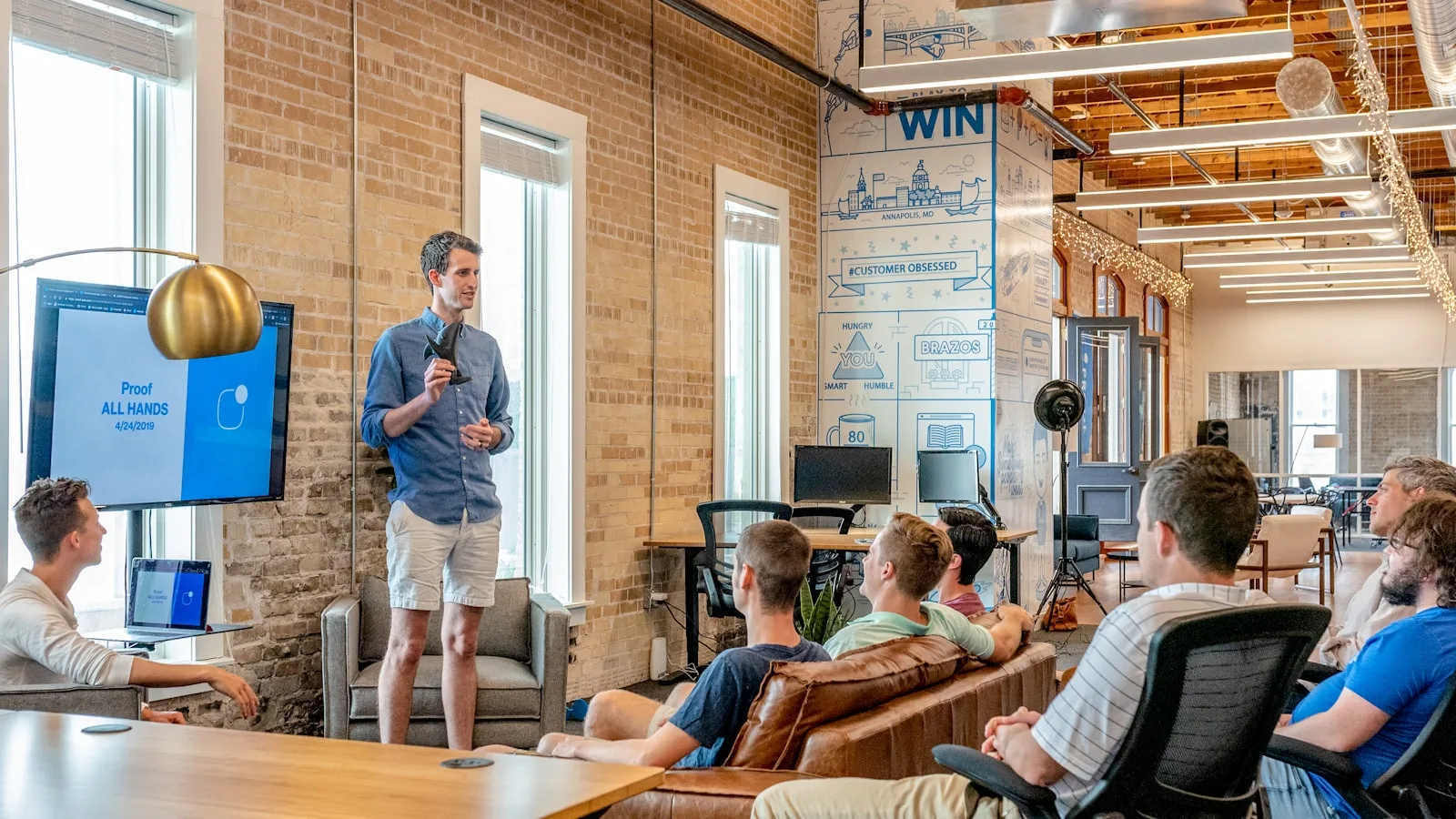
We Need a New Approach: From Filling Roles to Workforce Intelligence
The old contingency model treated security roles as a numbers game. The real shift leaders need is from volume-driven sourcing to Workforce Intelligence: visibility into capability coverage and operational risk.
Deidre Diamond · · 6 min read