Workforce Intelligence for cybersecurity and IT
Your strategy runs on tasks. Do you know which are covered, and by whom?
A task is the smallest unit of work. Your whole workforce ecosystem performs them, from permanent employees to service providers and AI agents. See which have no coverage, low coverage or over-coverage.
Start with a single assessment, no long-term commitment required.
- Open each priority down to the task.
- Find the coverage gaps and the overlaps.
- Decide where AI should take on work.
One illustrative team's Incident Response, opened up: 8 of its 78 tasks, and how each is covered.
Incident Response
- Monitor system events, logfiles and alertsService providerPermanent employeesOver-covered
- Utilize security orchestration and automated response (SOAR)AI agentCovered
- Respond to incidents involving Business Email Compromise (BEC)Permanent employeesCovered
- Respond to incidents involving malwarePermanent employeesCovered
- Reverse engineer malwareContractorLow coverage
- Perform threat huntingNo coverage
- Create and maintain run books and playbooks for security alertsPermanent employeesLow coverage
- Facilitating and supporting table top exercisesNo coverage
Task names: CyberSN cybersecurity taxonomy, September 2026. Their coverage is illustrative.
The headcount report counts 18. Everyone else doing the work is missing.
Eight more do the work: three contractors, one consultant, one intern, two service providers and one AI agent.
Coverage gaps now outpace headcount gaps.
In the 2026 SANS Cybersecurity Workforce Study, capability coverage gaps (52%) outpaced headcount gaps (48%) for the first time.
Source: 2026 SANS Cybersecurity Workforce StudyFrom a Fortune 200 CISO
“[CyberSN] allowed me to show the gaps and unmet capability requirements in a way I simply couldn't before, while clearly representing what our talent was currently responsible for.”
Why it matters
Strategy is easy. Execution is hard. Execution is tasks.
Three documents you already have. None of them describes the work, and the work changes constantly.
The org chart
- Shows
- Your reporting structure.
- Misses
- Your full workforce ecosystem, AI agents included.
The strategy
- Shows
- Which capabilities matter.
- Misses
- That it depends on many tasks, performed by your workforce ecosystem.
The budget
- Shows
- What each job costs.
- Misses
- How to execute those tasks with your workforce ecosystem, within budget.
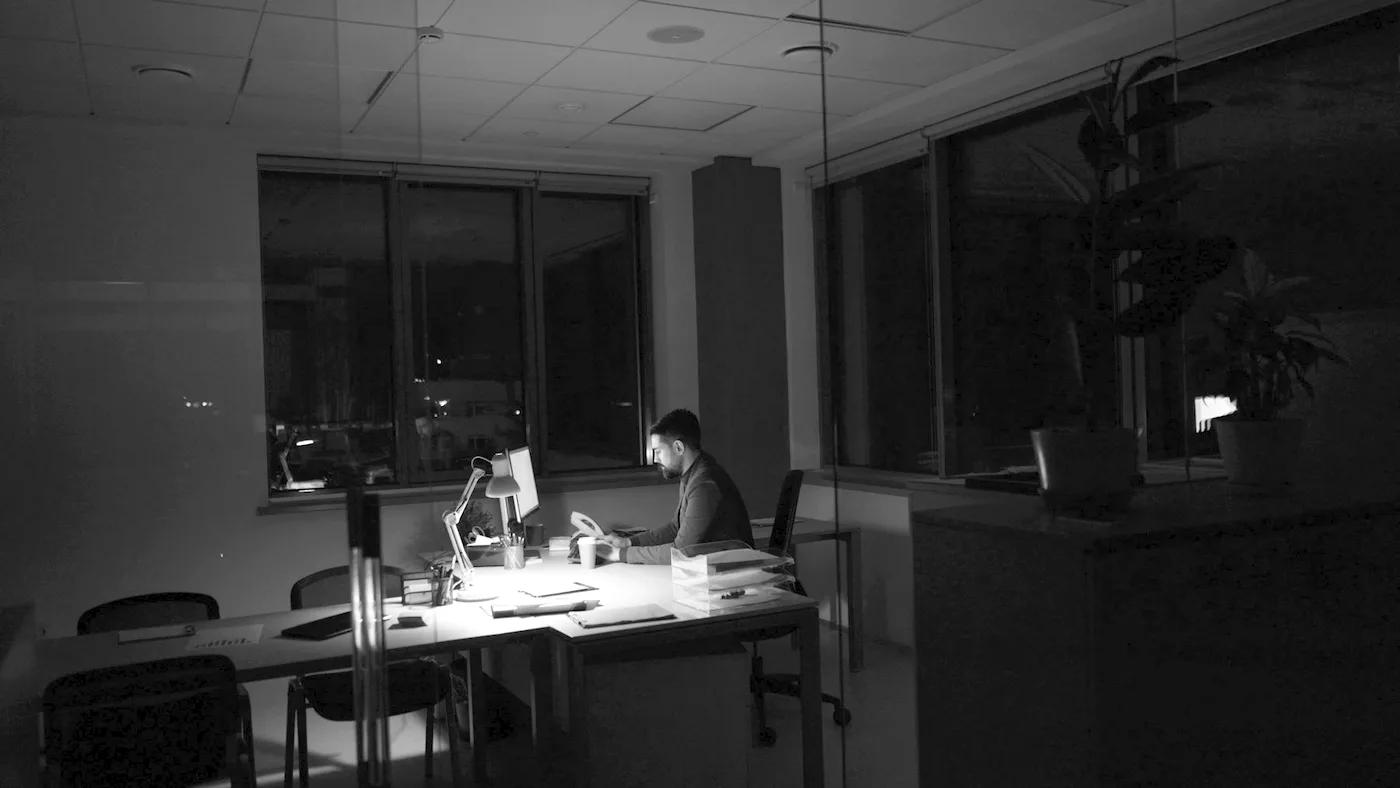
How much of what frustrates you is a task problem?
Burnout. People holding more work than anyone counted.
Missed budgets. Money on job titles while the work sat elsewhere.
Stalled projects. Tasks every team assumed another team covered.
Turnover. People who could not see what they owned.
Task problems are solvable.
Which of your capabilities might not be covered at all? Check your coverage
A constant rate of change
AI does not operate on jobs. It operates on tasks.
It changes the work inside every job, one task at a time, and it keeps changing it.
Unchanged
Tasks that stay largely as they are.
Augmented
The same task, done faster by a person using AI.
Automated
Work that leaves a person's plate and frees capacity.
New
Checking and directing the work AI produces.
The four shifts are from Anthropic's Scenarios for Our Economic Future; the descriptions are CyberSN's.
“The real story is not simply whether a job exists. The real story is how the workload changes.”
The questions AI raises
- What tasks are our AI agents performing today?
- Which workloads change as a result?
- What capacity gets created, and where should it go?
The answer
What is Workforce Intelligence?
Workforce Intelligence shows which cybersecurity and IT tasks your strategy depends on, who and what is doing each one, and which have no coverage.
Prefer to watch?
Workforce Intelligence, from Deidre Diamond
Founder and CEO, CyberSN
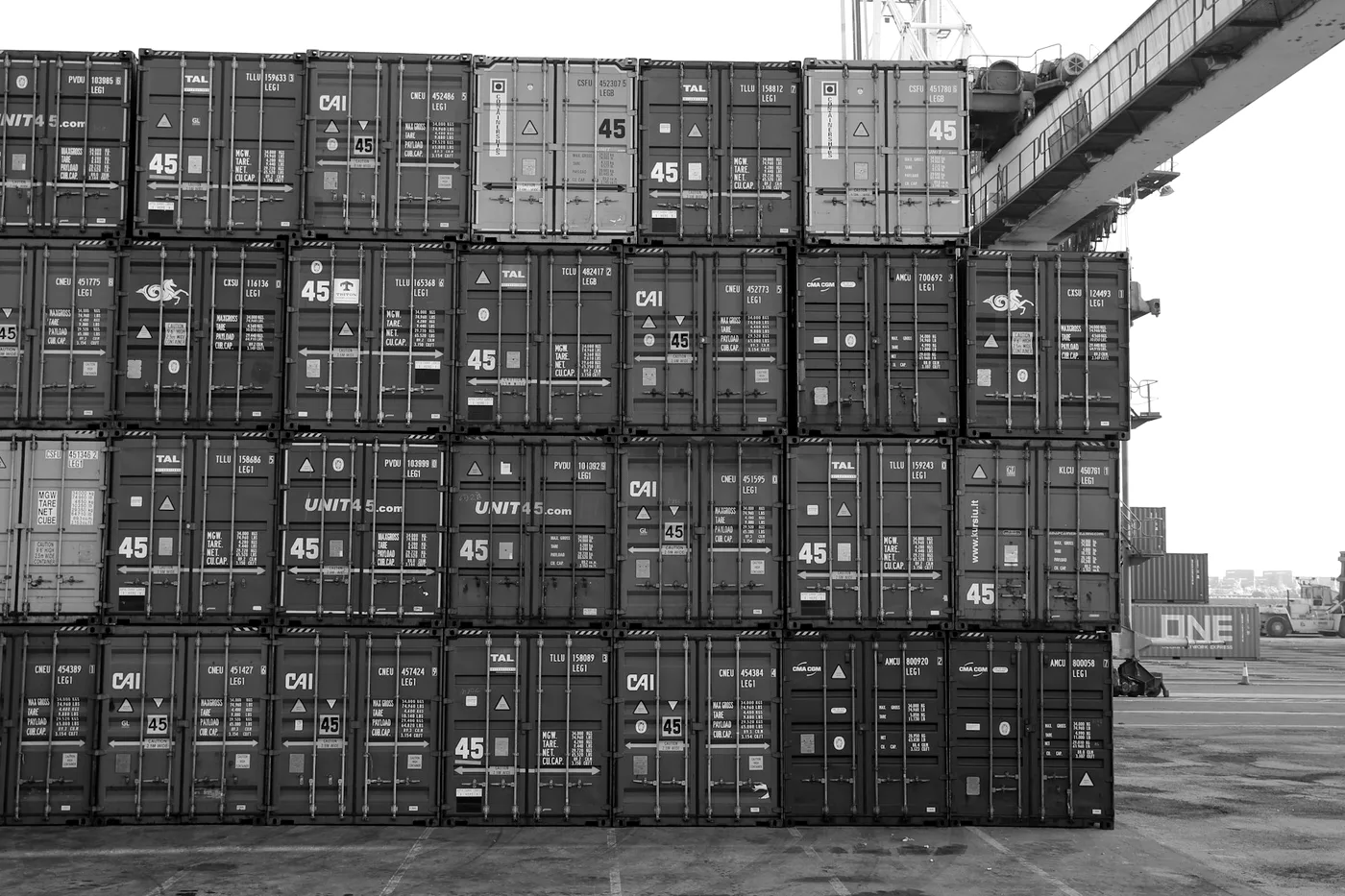
Jobs are containers. Work is tasks.
A task is the work that actually gets done on a Tuesday. A job title never says which tasks are inside.
Why write tasks down
Gaps hide in tasks. A capability can look covered while some of its tasks go undone.
AI changes tasks, not jobs. You can only decide where it fits one task at a time.
The people doing them know. Tasks we record show what is actually happening, not what leadership assumes.
One job, opened up
- 1Job: Incident Response
- 16responsibilities
- 78tasks, all levels
- 213named tool choices
Every one of those tasks is either covered by your workforce ecosystem or not. Workforce Intelligence shows which, and by whom.
Source: CyberSN cybersecurity taxonomy, September 2026. See every task
Your workforce ecosystem: everyone and everything doing the work.
- Permanent employees
- Contractors
- Consultants
The work
- Interns
- Service providers
- AI agents
An AI agent can carry coverage. It cannot carry accountability.
Coverage check
Where might work be going undone?
Five questions, about three minutes. Your answers stay on this page unless you send them.
How it works
From your strategy to an action plan.
Start from the strategy
The priorities your workforce has to carry this year.
Collect from the people doing the work
We record their tasks against the CyberSN taxonomy. Nothing to deploy.
Visualize each task
Who and what covers it across all six bands, from no coverage to over-covered.
Act on the plan
Move, develop and rebalance work, task by task.
What you get
Who holds each task. Coverage down to the task, against each priority.
Coverage gaps and overlaps. No, low and over-coverage, named and prioritized.
An action plan, not a report. Ownership named, tasks reassigned, provider scope corrected.
Where AI fits. Which tasks AI agents perform today, and where the capacity AI creates could go.
See which tasks are getting done, and which are not.
Start with a single assessment, no long-term commitment required.
Questions
Before you book
What happens on the Discovery Call?
In 30 minutes you talk through your strategic priorities, the tasks underneath them, and where work may be going undone, no spreadsheets required. From there you can decide whether a Workforce Intelligence assessment of your cybersecurity and IT workforce is worth doing.
What do you mean by a task?
A task is the smallest unit of work inside the container known as a job: the work that actually gets done on a Tuesday, whether a permanent employee, a contractor, a service provider or an AI agent does it. The CyberSN taxonomy names work at every level (job, capability, responsibility, task and tool), so a job title can be opened up to the tasks inside it. In the CyberSN cybersecurity taxonomy, Incident Response alone is 78 tasks.
How does this help us decide where to use AI?
AI changes work one task at a time. Some tasks stay unchanged, some are augmented, some are automated, and new work appears in checking and directing what AI produces. Workforce Intelligence shows who and what performs each task today, AI agents included, so you can decide where AI should take on work and where the people around it should focus next.
What does Workforce Intelligence measure?
Six things, each tied to the capabilities your strategy cannot execute without: capability coverage (each capability, down to its tasks, against who and what performs them today), capacity (whether the people covering it have the time to do it well), maturity (from ad hoc to optimizing), redundancy (how deep the coverage runs), dependencies (which tasks rest on contractors, consultants, providers and AI agents) and workforce risk (where attrition, burnout, vacancy and dependency meet the capabilities that matter most).
What does an assessment ask of my team?
Structured discovery with the people who know where the work lives (security and IT leaders, team leads, and the owners of key vendor relationships), while we record the responsibilities and tasks of the people doing the work against the CyberSN taxonomy. There is no requirement to deploy software, integrate systems, or produce documentation in advance.
Am I signing up for a long-term commitment?
No. Start with a single assessment, no long-term commitment required. If your priorities shift and you want the picture kept current, we can refresh it on your schedule, but that's entirely your call.
Does it cover IT as well as cybersecurity?
Yes. It covers the cybersecurity and IT work your organization needs done, using the CyberSN taxonomy for security and its IT areas for infrastructure, operations, service management and more, because security depends on functions that sit inside IT and risk crosses between them.
Does it include contractors, service providers and AI agents?
Yes. The workforce is everyone and everything doing the work: permanent employees, contractors, consultants, interns, service providers and AI agents. A task a provider or an AI agent performs still counts toward your coverage and still carries your risk, so it is measured the same way.
Can we use Talent Solutions without an assessment?
Yes. Talent Matching, Managed Hiring and Contract Workforce Augmentation are available on their own, no assessment required, and each is matched on the capabilities and tasks of the work rather than on titles. If you have had an assessment, it shows which gaps are best closed with people, and Talent Solutions can start from its findings.
Start here
Book a 30-minute Discovery Call.
Talk through the tasks behind your priorities, no spreadsheets required.
- Send the form.
- A specialist will personally review it and reply within one business day.
- Decide together whether an assessment is worth doing.
Start with a single assessment, no long-term commitment required.
Tell us about your workforce
Looking for your next role? Search open positions